

7 Proven Ways Immediate Feedback Accelerates Growth (Like Healthcare Experts Use)
Have you ever wondered why some people seem to learn faster than others? The secret isn’t just talent or hard work – it’s the power of immediate feedback. When you get specific, timely responses to your actions, you can correct mistakes instantly and build skills at lightning speed.
Healthcare professionals have mastered this approach. They use immediate feedback to save lives, improve patient care, and develop expertise quickly. From medical simulations to AI-powered learning tools, they’ve discovered that rapid course correction is the key to accelerating growth in any field.
The research is clear: immediate feedback creates a learning loop that transforms how we develop skills. Instead of practicing mistakes for weeks or months, you can spot errors right away and fix them before they become habits. This isn’t just theory – it’s a proven strategy that’s changing how we learn and grow.
7 Proven Ways Immediate Feedback Accelerates Growth
1. Real-Time Skill Correction
Medical students use simulation training to practice procedures on realistic patient models. When they make a mistake during a simulated surgery, instructors provide instant feedback. This allows students to adjust their technique immediately, rather than repeating errors that could become dangerous habits.
You can apply this same principle to any skill. Whether you’re learning to play guitar, speak a new language, or master a sport, seek out ways to get immediate responses to your actions. Use apps that correct your pronunciation instantly, work with coaches who can spot technique flaws in real-time, or practice in front of mirrors to see your form immediately.
2. Accelerated Error Detection
Healthcare teams conduct debriefing sessions right after complex procedures. These sessions provide specific feedback on what went well and what needs improvement. A systematic review published by the National Institutes of Health found that this immediate and specific feedback significantly improves team performance and learning outcomes.
The key is catching errors while they’re fresh in your memory. When you wait days or weeks for feedback, you’ve already forgotten the context and moved on to new mistakes. Immediate feedback helps you connect the dots between your actions and their results.
3. Personalized Learning Paths
AI chatbots in education now provide students with instant, individualized feedback on homework and study questions. Research shows that students using these systems have better homework completion rates and improved understanding of subject material. The chatbots offer specific guidance that helps students adjust their learning approach immediately.
This personalized approach works because immediate feedback can be tailored to your specific needs. Instead of generic advice, you get targeted suggestions that address your unique challenges and learning style.
4. Confidence Building Through Quick Wins
When you receive immediate positive feedback, it builds confidence and motivation. Healthcare professionals use this principle in training programs where learners get instant recognition for correct procedures. This creates a positive feedback loop that encourages continued learning and risk-taking.
Look for opportunities to get quick confirmation when you’re doing something right. This might mean working with mentors who celebrate small victories, using apps that provide instant positive reinforcement, or setting up systems that acknowledge your progress immediately.
5. Habit Formation Through Instant Reinforcement
Immediate feedback helps form good habits faster than delayed responses. When you get instant confirmation that you’re doing something correctly, your brain strengthens those neural pathways immediately. This is why healthcare simulations are so effective – they provide instant reinforcement of correct procedures.
To use this in your own learning, create feedback systems that respond to your actions right away. This might mean using fitness trackers that celebrate when you hit step goals, language apps that immediately confirm correct answers, or practice routines where you can see results instantly.
6. Reduced Practice of Incorrect Techniques
One of the biggest advantages of immediate feedback is that it prevents you from practicing mistakes. In healthcare training, this is crucial because incorrect procedures can be life-threatening. But the same principle applies to any skill – the longer you practice something incorrectly, the harder it becomes to fix later.
Set up your learning environment to catch mistakes quickly. This might mean working with experienced practitioners who can spot errors immediately, using technology that provides instant corrections, or creating checkpoints in your practice sessions where you can assess your progress.
7. Enhanced Memory Consolidation
Research in cognitive science shows that immediate feedback helps consolidate learning in your memory. When you get specific feedback right after performing an action, your brain can immediately connect the feedback to the experience. This strengthens the memory and makes it easier to recall the correct approach next time.
The U.S. Department of Education emphasizes this point in their report on AI and education, noting that timely and specific feedback enhances student learning by providing opportunities for immediate course correction and improvement.
How to Use Specific Feedback for Rapid Learning Results
Create Immediate Feedback Systems
The most effective feedback systems respond to your actions within seconds or minutes, not days or weeks. Start by identifying the skills you want to develop, then find ways to get instant responses to your efforts.
For example, if you’re learning to write better, use grammar checking tools that provide immediate suggestions. If you’re developing presentation skills, practice with video recordings so you can see your performance right away. If you’re building technical skills, work in environments where you can test your work immediately and see the results.
Make Feedback Specific and Actionable
Vague feedback like “good job” or “needs improvement” doesn’t accelerate learning. You need specific information about what you did well and what needs to change. Healthcare professionals excel at this – they don’t just say a procedure was wrong, they explain exactly which step was incorrect and how to fix it.
When seeking feedback, ask specific questions. Instead of “How did I do?” ask “What specific technique should I adjust to improve my results?” This helps the person giving feedback provide more useful information.
Focus on One Element at a Time
Trying to improve everything at once leads to overwhelm and slow progress. Healthcare training programs focus on specific skills in each session, providing targeted feedback on particular aspects of performance.
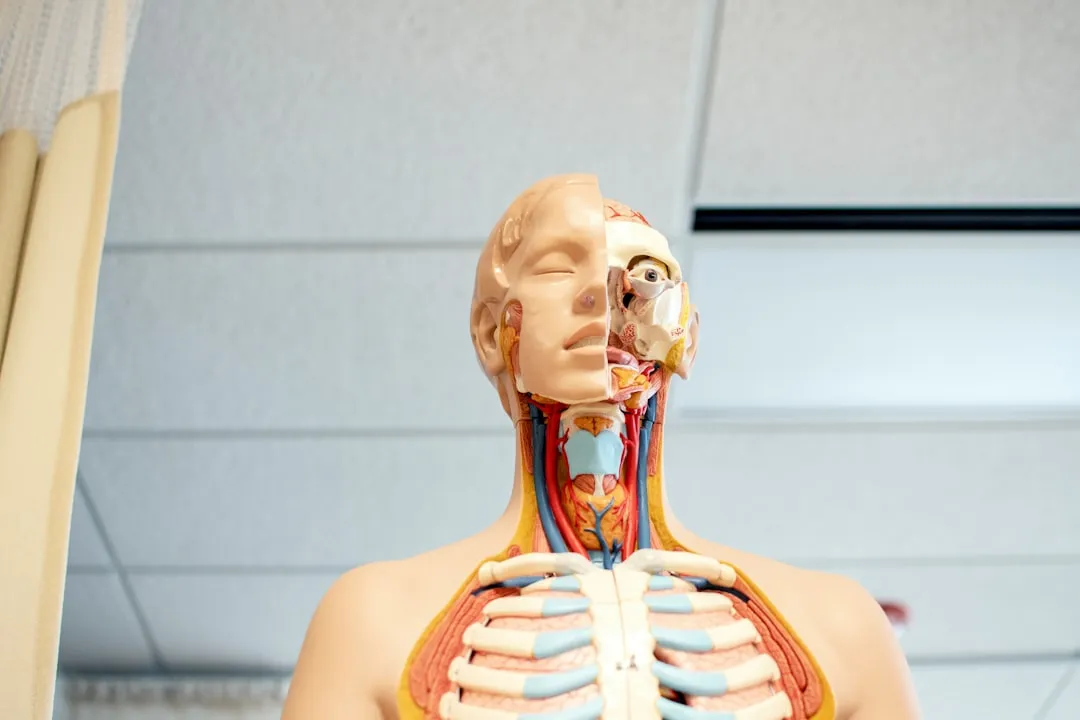
Choose one specific element of your skill to focus on during each practice session. Get immediate feedback on just that element, master it, then move to the next component. This approach, supported by research on deliberate practice, leads to faster skill development than trying to improve everything simultaneously.
Use Technology to Scale Feedback
Modern technology makes it possible to get immediate feedback even when experts aren’t available. Educational AI chatbots, fitness apps, and learning platforms can provide instant, specific responses to your actions.
Look for tools that offer real-time feedback in your area of interest. Many of these systems use the same principles that healthcare professionals have proven effective – immediate, specific responses that help you course-correct quickly.
Build Feedback Into Your Daily Routine
The most successful learners don’t wait for formal feedback sessions. They build immediate feedback into their daily practice routines. This might mean checking your work frequently, asking for quick input from colleagues, or using tools that provide instant assessment.
Remember, success is not what you know – it’s who you become. Immediate feedback doesn’t just help you learn faster; it transforms you into someone who continuously improves and adapts. By implementing these proven strategies, you’ll accelerate your growth and develop expertise more quickly than you ever thought possible.
Start today by identifying one skill you want to improve and setting up a system for immediate feedback. Your future self will thank you for making this powerful learning tool a part of your growth journey.
📌 Key Takeaways
> Immediate feedback enables rapid skill correction by allowing learners to identify and fix mistakes instantly, preventing bad habits from forming. > Using specific, actionable feedback focused on one element at a time accelerates learning and mastery more effectively than vague or broad critiques. > Incorporating technology like AI chatbots and apps can provide personalized, real-time feedback that scales expert guidance and supports continuous improvement. > Immediate positive reinforcement builds confidence and motivation, creating a virtuous cycle that encourages ongoing learning and risk-taking. > Embedding immediate feedback into daily practice routines transforms learning into an adaptive process that leads to faster growth and expertise development.