

Environmental Toxins: How to Reduce Cancer Risk Through Limiting Pollutant Exposure
In today’s world, the relationship between environmental toxins and cancer development has become increasingly clear. Environmental toxins are pervasive in our modern world – from the air we breathe to the products we use daily. Understanding how these toxins contribute to cancer risk isn’t just about awareness; it’s about taking control of your health destiny. By recognizing and reducing exposure to harmful environmental factors, you can significantly decrease your cancer risk and enhance your overall wellbeing. Let’s explore how environmental factors impact cancer development and what practical steps you can take to protect yourself and your loved ones.
The Critical Link Between Environmental Toxins and Cancer Development
Environmental toxins surround us in various forms – industrial chemicals, pesticides, air pollution, and even substances in common household products. These toxins can disrupt normal cellular functions, damage DNA, and trigger the abnormal cell growth that characterizes cancer.

The World Health Organization estimates that environmental factors, including exposure to carcinogens, contribute to approximately 19% of all cancers globally. This statistic highlights the significant role our environment plays in cancer development. Additionally, research from the American Cancer Society indicates that reducing exposure to known carcinogens could prevent thousands of cancer cases annually.
However, not all hope is lost. By understanding these environmental risk factors, we can take meaningful steps to reduce our exposure and, consequently, our cancer risk.
Major Environmental Toxins Associated with Cancer Risk
Air Pollutants and Their Impact
Air pollution represents one of the most significant environmental cancer risks. Outdoor air pollution has been classified as carcinogenic by the International Agency for Research on Cancer. Particulate matter, especially the microscopic PM2.5 particles, can penetrate deep into lung tissue and enter the bloodstream, potentially leading to lung cancer and other health issues.
Furthermore, indoor air pollution poses equally serious risks. Radon, a naturally occurring radioactive gas that can accumulate in buildings, is the second leading cause of lung cancer after smoking. Other indoor pollutants include formaldehyde from furniture and building materials, and volatile organic compounds (VOCs) from paints and cleaning products.
Water Contaminants to Be Aware Of
Environmental toxins in water supplies represent another significant concern. Arsenic, lead, and industrial chemicals can contaminate drinking water and have been linked to various cancers. For example, long-term exposure to arsenic in drinking water has been associated with skin, bladder, and lung cancers.
Additionally, chemicals like per- and polyfluoroalkyl substances (PFAS), commonly found in non-stick cookware and water-resistant products, can leach into water supplies. These “forever chemicals” persist in the environment and have been linked to kidney and testicular cancers.
Everyday Products Containing Harmful Substances
Many everyday products contain potentially carcinogenic substances. Certain plastics release bisphenol A (BPA) and phthalates, which are endocrine disruptors linked to hormone-sensitive cancers. Pesticides used in conventional farming can remain on produce and have been associated with various cancers, including non-Hodgkin lymphoma.
Even personal care products may contain parabens and other chemicals with potential carcinogenic properties. Being aware of these common sources of environmental toxins is the first step toward reducing exposure.
How to Reduce Your Exposure to Environmental Toxins
Detoxifying Your Home Environment
Creating a healthier home environment represents one of the most impactful ways to reduce exposure to environmental toxins. Start by improving ventilation to reduce indoor air pollutants. Opening windows regularly, using exhaust fans, and maintaining HVAC systems can significantly improve indoor air quality.
Consider using an air purifier with a HEPA filter to remove particulate matter. For cleaning, replace chemical-laden products with natural alternatives like vinegar, baking soda, and essential oils. Additionally, test your home for radon and take remediation measures if levels are high.
Furthermore, be mindful of the products you bring into your home. Choose furniture and building materials with low VOC emissions, and opt for natural fibers in clothing and bedding when possible.
Making Dietary Changes to Minimize Toxin Intake
Your diet can be a significant source of environmental toxins, but it can also be your greatest ally in reducing exposure. Consequently, making informed dietary choices is essential.
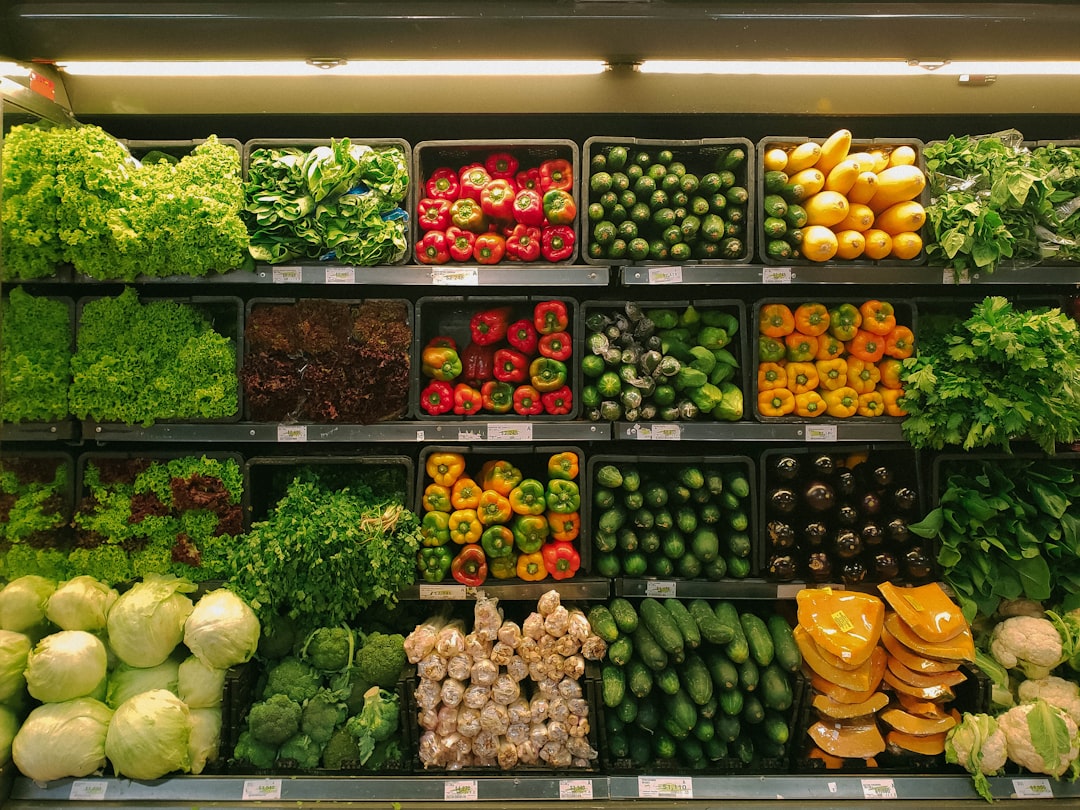
Choosing organic produce is a practical step towards reducing exposure to harmful environmental toxins. Photo by nrd on Unsplash
Whenever possible, choose organic produce to reduce pesticide exposure. The Environmental Working Group’s “Dirty Dozen” and “Clean Fifteen” lists can help you prioritize which fruits and vegetables to buy organic. Additionally, wash all produce thoroughly before consumption, even organic options.
Reduce your consumption of processed foods, which often contain additives and preservatives with potential health risks. Instead, focus on whole foods prepared at home. When it comes to seafood, be aware of mercury levels and choose smaller fish like sardines and anchovies over larger predatory fish like tuna and swordfish.
Moreover, consider the packaging of your food. Avoid plastics containing BPA, especially for hot foods and liquids, and opt for glass or stainless steel containers instead.
Community Advocacy for Environmental Protection
While individual actions are important, community and policy-level changes can have even broader impacts on reducing environmental toxins. Therefore, consider becoming an advocate for environmental protection in your community.
Support policies aimed at reducing industrial pollution and promoting cleaner energy sources. Participate in local environmental initiatives like community clean-ups or tree-planting events. Additionally, stay informed about environmental issues in your area and speak up when necessary.
Furthermore, consider joining or supporting environmental organizations that work to reduce pollution and protect natural resources. Your voice, combined with others, can drive meaningful change at the policy level.
Evidence Supporting the Benefits of Reducing Environmental Toxin Exposure
Declining Cancer Rates Following Pollution Control Measures
The effectiveness of reducing environmental toxins is evident in regions that have implemented strict pollution control measures. For example, after the Clean Air Act was strengthened in the United States, studies showed significant reductions in cancer mortality in areas with improved air quality.
Research published in the New England Journal of Medicine demonstrated that for every 10 microgram per cubic meter decrease in fine particulate matter (PM2.5), lung cancer mortality decreased by approximately 8%. This provides compelling evidence that reducing exposure to air pollutants can have tangible health benefits.
The Impact of Organic Diet on Cancer Risk Reduction
Similarly, research on dietary choices shows promising results. A large French study published in JAMA Internal Medicine found that participants who consumed organic food most frequently had 25% fewer cancers overall compared to those who never ate organic food. The association was particularly strong for non-Hodgkin lymphoma and postmenopausal breast cancer.
However, it’s important to note that this benefit may result from both reduced pesticide exposure and the generally healthier lifestyle of those who choose organic foods.
Success Stories in Carcinogen Regulation
Perhaps the most compelling evidence comes from regulatory success stories. For instance, after asbestos was banned or strictly regulated in many countries, mesothelioma rates began to decline. This rare and aggressive cancer, almost exclusively caused by asbestos exposure, demonstrates how eliminating a specific environmental toxin can directly reduce cancer incidence.
Conclusion
Environmental toxins play a significant role in cancer development, but this knowledge empowers us rather than frightens us. By understanding the sources of these toxins and taking practical steps to reduce exposure, we can actively decrease our cancer risk and improve our overall health.
Remember that small changes can make a meaningful difference. Start with simple steps like improving home ventilation, choosing organic foods when possible, and using natural cleaning products. As you become more comfortable with these changes, you can expand your efforts to include community advocacy and broader lifestyle adjustments.
Ultimately, reducing exposure to environmental toxins embodies our core philosophy: “Success is not what you know — it’s who you become.” By taking control of your environment and making informed choices, you’re not just reducing cancer risk; you’re becoming an advocate for your own health and the health of our planet.
What step will you take today to reduce your cancer risk?