

The Environmental Toxin Breakthrough: Reclaim Mental Clarity Through Sleep
Have you ever noticed how some days your mind feels sharp and focused, while on others, you struggle to remember simple tasks or concentrate on your work? If you’re experiencing these fluctuations in mental clarity, you’re not alone. What many people don’t realize is that the environment around us—from the air we breathe to the screens we stare at—plays a crucial role in our cognitive function and overall wellbeing.
Environmental wellness isn’t just about recycling or conserving energy. It encompasses everything in our surroundings that affects our mental and physical health. The toxins we’re exposed to, the quality of our sleep, our nutritional choices, and even our technology habits collectively shape our ability to think clearly, maintain positive moods, and perform at our best.
The Hidden Environmental Factors Affecting Your Brain
The modern world surrounds us with invisible challenges that our ancestors never faced. From air pollution to artificial lighting, our bodies and brains are constantly processing environmental inputs that can either support or undermine our cognitive function.
The Toxin-Brain Connection
Research increasingly shows that environmental toxins don’t just affect our physical health—they directly impact our brains. Indoor air pollution from household chemicals, outdoor pollution from traffic, and even toxins in certain foods can cross the blood-brain barrier, triggering inflammation and disrupting neural function.
How toxins impact mental clarity is particularly concerning. When your body is busy processing toxins, it diverts energy away from optimal brain function. This can manifest as brain fog, difficulty concentrating, memory lapses, and even mood disorders like anxiety and depression.
One study found that exposure to common environmental toxins correlates with reduced cognitive performance across multiple domains. Even more alarming, these effects can be cumulative, meaning small exposures over time may significantly impact your mental clarity and decision-making abilities.
Nature: The Antidote to Modern Toxicity
While toxins diminish our mental function, nature exposure does the opposite. A 2021 research review found consistent associations between time spent in natural environments and improvements in cognitive function, brain activity, and mental health.
This isn’t just about enjoying beautiful scenery—it’s about how our brains fundamentally respond to natural settings. Nature exposure has been shown to:
-
- Reduce mental fatigue
- Improve attention span
- Enhance creative thinking
- Lower stress hormones
- Boost mood and emotional regulation
Even brief exposure to natural settings can have measurable benefits. A 15-minute walk in a park or time spent gardening can reset your mental state and improve cognitive performance for hours afterward.
Sleep: The Environmental Wellness Superpower
While many factors influence our environmental wellness, none may be more powerful than sleep. Sleep is the time when your brain detoxifies, processes information, and repairs itself. Yet our modern environments often sabotage this crucial process.
How Your Sleep Environment Affects Mental Clarity
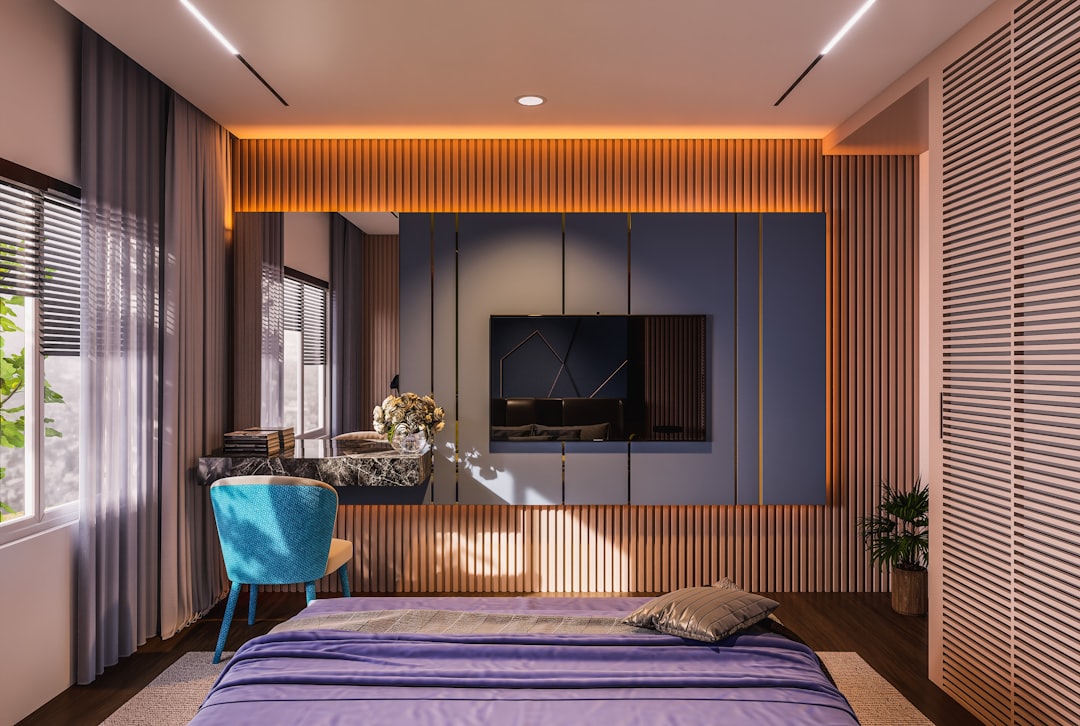
Your bedroom is perhaps the most important environment for your cognitive health. Factors that seem minor—like light exposure, ambient noise, room temperature, and air quality—can dramatically impact sleep quality and, consequently, your mental performance the next day.
Improving productivity through better sleep isn’t just about getting more hours—it’s about optimizing your sleep environment to enhance sleep quality. When you create the ideal conditions for restorative sleep, you’re essentially detoxifying your brain and setting the stage for optimal cognitive function.
Research from the Surgeon General’s advisory highlights that poor sleep quality is directly linked to reduced cognitive performance, emotional regulation difficulties, and decreased productivity. By contrast, high-quality sleep enhances problem-solving abilities, creativity, and emotional resilience—all critical components of personal and professional success.
Practical Steps to Optimize Your Sleep Environment
To transform your sleep environment into a brain-boosting sanctuary:
1. Minimize light exposure: Install blackout curtains and remove electronic devices with LED lights. Even small amounts of light can suppress melatonin production.
2. Filter your bedroom air: Place air-purifying plants like snake plants or peace lilies in your bedroom, or invest in an air purifier with a HEPA filter to reduce airborne toxins.
3. Reduce electromagnetic fields: Keep electronics at least six feet from your bed, or better yet, remove them entirely from your sleeping space.
4. Optimize temperature: Set your bedroom temperature between 65-68°F (18-20°C), which research shows is ideal for quality sleep.
5. Create a sound barrier: Use white noise machines or earplugs to block disruptive sounds that might interrupt your sleep cycles.
The Gut-Brain Axis: How Nutrition Shapes Mental Clarity
Our environmental wellness extends to what we put inside our bodies as well. The gut-brain connection is revolutionizing how we understand mental clarity and cognitive function.
Recent research reveals that dysbiosis (imbalance) of gut microbiota—often caused by poor diet or toxin exposure—can lead to systemic inflammation that affects brain function. The foods we eat directly impact our microbiome, which in turn influences neurotransmitter production, hormone regulation, and even gene expression in the brain.
To support your gut-brain axis:
- Incorporate fermented foods like yogurt, kefir, and sauerkraut
- Eat a diverse range of plant foods to feed beneficial gut bacteria
- Reduce processed foods and artificial ingredients that disrupt gut balance
- Stay hydrated with clean, filtered water
- Consider reducing exposure to agricultural toxins by choosing organic produce when possible

Technology: The Double-Edged Sword
While technology has brought incredible benefits to our lives, it also presents unique challenges to our environmental wellness and mental clarity.
Blue light from screens can disrupt circadian rhythms and melatonin production, making it harder to fall asleep. The constant notifications and information overload can trigger stress responses and fragment attention, reducing our ability to think deeply or focus on complex tasks.
To create a healthier relationship with technology:
1. Establish tech-free zones in your home, especially the bedroom
2. Use blue light filters on devices, particularly in the evening
3. Practice regular digital detoxes—even short breaks can reset your nervous system
4. Set specific times to check email and social media rather than allowing constant interruptions
5. Spend time in nature without devices to give your brain true downtime
Becoming Your Best Self Through Environmental Wellness
Success isn’t just about what you accomplish—it’s about who you become in the process. By taking control of your environmental wellness, you’re not just improving your productivity or mental clarity; you’re transforming into someone who approaches life with intention and awareness.
When you create environments that support optimal brain function, you’re better equipped to pursue meaningful goals, maintain positive relationships, and contribute your unique gifts to the world. You become more resilient, creative, and emotionally balanced—qualities that define true success far more than any external achievement.
Environmental wellness represents a powerful frontier in personal development. By addressing the toxins that diminish your mental clarity, optimizing your sleep environment, nourishing your gut-brain connection, and creating healthier technology habits, you’re not just functioning better—you’re evolving into the person you’re meant to become.
Remember, success is not what you know—it’s who you become. And who you become is profoundly shaped by the environments you create and inhabit every day.
📌 Key Takeaways
> Environmental toxins negatively impact brain function by causing inflammation and cognitive decline, making toxin reduction essential for mental clarity.
> Optimizing your sleep environment—through controlling light, air quality, temperature, and noise—enhances sleep quality and supports brain detoxification and cognitive performance.
> Regular exposure to nature improves attention, creativity, mood, and reduces mental fatigue, serving as a natural antidote to modern environmental stressors.
> Supporting the gut-brain axis with a healthy diet rich in fermented and plant-based foods helps reduce inflammation and promotes better mental clarity.
> Managing technology use by limiting blue light exposure and creating tech-free zones reduces stress and protects circadian rhythms, improving focus and emotional balance.