

Metabolic Imbalances: How Addressing Deficiencies Can Halt Alzheimer’s Progression
Are you concerned about cognitive decline for yourself or a loved one? Have you watched someone struggle with memory loss and wondered if there was something more that could be done? If you’re seeking answers beyond traditional Alzheimer’s treatments, you’re not alone. Many families feel helpless as they watch cognitive abilities deteriorate, unaware that metabolic imbalances might be silently accelerating the disease.
The frustration isn’t just about watching memory fade—it’s the deeper feeling of powerlessness and the philosophical question of whether we’re doing everything possible to preserve the essence of who we are. What if addressing specific metabolic deficiencies could actually halt the progression of Alzheimer’s symptoms? This question represents a paradigm shift in how we approach this devastating disease.
Understanding Metabolic Imbalances in Alzheimer’s Disease
Alzheimer’s disease has traditionally been viewed through the lens of amyloid plaques and tau tangles. However, emerging research suggests that metabolic dysfunction plays a critical role in the development and progression of cognitive decline. These metabolic imbalances aren’t just side effects of aging—they’re potentially modifiable factors that could change the course of the disease.
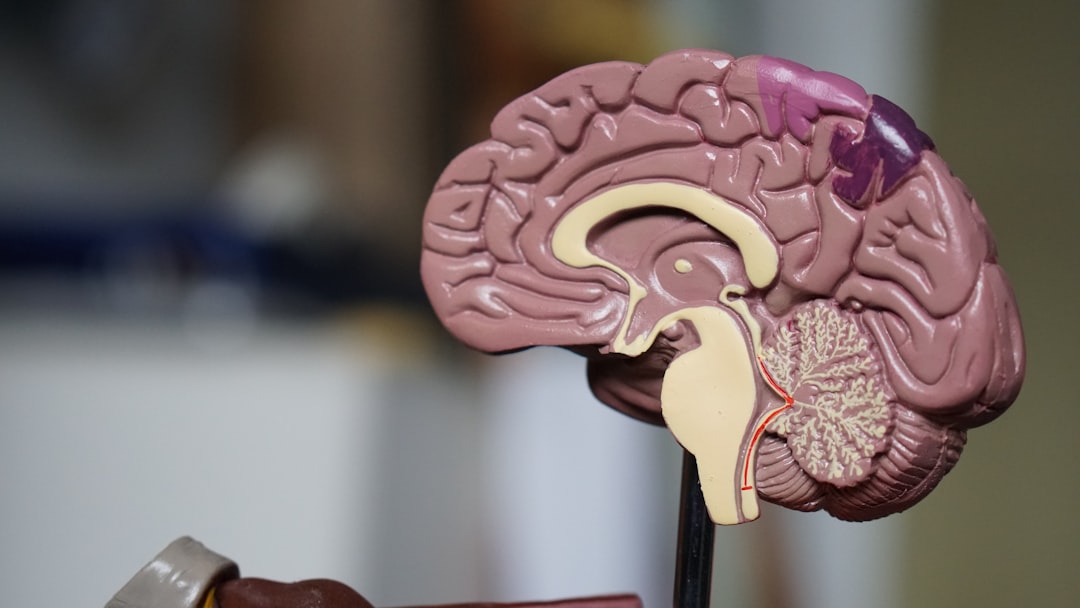
The brain requires approximately 20% of our body’s energy despite comprising only 2% of our body weight. Therefore, any disruption in metabolic processes can significantly impact cognitive function. Metabolic imbalances may include insulin resistance, mitochondrial dysfunction, nutritional deficiencies, and hormonal imbalances—all of which have been linked to cognitive decline.
How Metabolic Deficiencies Affect Brain Health
Metabolic deficiencies affect brain health through multiple pathways. For instance, insulin resistance, often called “type 3 diabetes,” reduces the brain’s ability to use glucose effectively. Additionally, deficiencies in key nutrients like B vitamins, vitamin D, and omega-3 fatty acids can impair neuron function and increase inflammation.
Furthermore, mitochondrial dysfunction reduces energy production in brain cells, while hormonal imbalances can affect neurotransmitter function. These metabolic issues don’t exist in isolation—they create a cascade of effects that accelerate cognitive decline.
The Personalized Approach to Addressing Metabolic Imbalances
Unlike one-size-fits-all treatments, addressing metabolic imbalances requires a personalized approach. Each person’s metabolic profile is unique, shaped by genetics, lifestyle, and environmental factors. This personalized medicine approach has shown remarkable success in other fields, particularly oncology, where treatments tailored to specific genetic profiles have improved outcomes.
Identifying Your Specific Metabolic Deficiencies
The first step in addressing metabolic imbalances is comprehensive testing. This goes beyond standard blood work to include:
1. Advanced lipid testing: Examining particle sizes and inflammatory markers
2. Hormone panels: Assessing thyroid function, cortisol, and sex hormones
3. Nutritional assessments: Measuring levels of essential vitamins, minerals, and fatty acids
4. Inflammatory markers: Checking for chronic inflammation that affects brain function
5. Glucose metabolism: Testing insulin sensitivity and blood sugar regulation
Working with healthcare providers who understand the connection between metabolism and brain health is crucial. Functional medicine practitioners, neurologists specializing in metabolic approaches, and nutritional psychiatrists can help interpret these results and create personalized intervention plans.
Evidence-Based Interventions for Metabolic Deficiencies
Once specific metabolic imbalances are identified, targeted interventions can be implemented. Research supports several approaches that have shown promise in addressing metabolic deficiencies and potentially slowing Alzheimer’s progression.
Nutritional Interventions for Brain Health
Diet plays a fundamental role in addressing metabolic imbalances. The MIND diet (Mediterranean-DASH Intervention for Neurodegenerative Delay) has shown impressive results, with one study demonstrating up to a 53% reduction in Alzheimer’s risk for those who adhered closely to the diet.
This approach emphasizes:
- Green leafy vegetables
- Berries (especially blueberries)
- Nuts and seeds
- Whole grains
- Fish rich in omega-3 fatty acids
- Olive oil
- Limited red meat and processed foods
Additionally, targeted supplementation based on identified deficiencies can be beneficial. For example, research indicates that omega-3 fatty acids can reduce inflammation and improve brain function in individuals with mild cognitive impairment.
Regular Monitoring and Adjustment of Biomarkers
Addressing metabolic imbalances isn’t a one-time fix—it requires ongoing monitoring and adjustment. Regular testing of key biomarkers allows for real-time feedback on whether interventions are working. These biomarkers might include:
- Hemoglobin A1c and fasting insulin
- Inflammatory markers like hs-CRP
- Homocysteine levels
- Vitamin D status
- Omega-3 index
This monitoring creates a feedback loop that allows for personalized adjustments to the treatment plan, optimizing results and ensuring continued progress.
Physical and Cognitive Exercise: Essential Components
While nutrition and supplementation address biochemical imbalances, physical and cognitive exercise are equally important in managing metabolic health and supporting brain function.

The Metabolic Benefits of Physical Activity
A longitudinal study found that regular physical activity significantly slows cognitive decline in older adults. Exercise improves insulin sensitivity, increases blood flow to the brain, stimulates the production of brain-derived neurotrophic factor (BDNF), and reduces inflammation.
The most effective approach includes:
- Moderate aerobic exercise (30 minutes, 5 days per week)
- Resistance training (2-3 sessions per week)
- Balance and flexibility exercises
- Movement throughout the day
Cognitive Stimulation and Metabolic Health
Cognitive stimulation complements physical exercise by creating new neural connections and maintaining existing ones. Activities that challenge different cognitive domains—memory, attention, language, and problem-solving—help maintain brain function and may improve metabolic efficiency in the brain.
The Stakes of Inaction: Why Addressing Metabolic Imbalances Matters
Failing to address metabolic imbalances can accelerate the progression of Alzheimer’s disease. The stakes are high—continued cognitive decline, loss of independence, and diminished quality of life. However, there’s also a philosophical dimension to consider: our identity and sense of self are intimately connected to our memories and cognitive abilities.
By addressing metabolic imbalances, we’re not just treating symptoms—we’re preserving the essence of who we are. This approach empowers individuals and families by providing actionable steps they can take, rather than passively accepting cognitive decline as inevitable.
Your Path Forward: Taking Control of Metabolic Health
Imagine maintaining your cognitive abilities, continuing to create memories with loved ones, and preserving your independence. By addressing specific metabolic imbalances, this vision becomes more achievable. The transformation isn’t just physical—it’s emotional and philosophical, shifting from helplessness to empowerment.
Begin by seeking out healthcare providers who understand the metabolic aspects of Alzheimer’s disease. Request comprehensive testing to identify your specific imbalances, and work collaboratively to develop a personalized plan. Remember that addressing metabolic deficiencies requires consistency and patience, but the potential benefits—preserving cognitive function and quality of life—make these efforts worthwhile.
Take the first step today toward metabolic balance and brain health. Your future self and loved ones will thank you for your proactive approach to cognitive wellness.